Frame production process decryption
HOW CARBON FIBRE BICYCLE FRAMES ARE MADE
What is carbon fibre?
Before getting in-depth about how a frame comes to be, we should start with an explanation of the raw material. Carbon fibre starts its journey as a polymer, which is processed through various heating steps into long strings of carbon atoms. These long strings, or filaments, sit at about 5-10 microns in diameter each, 10-20 times smaller than the average human hair.
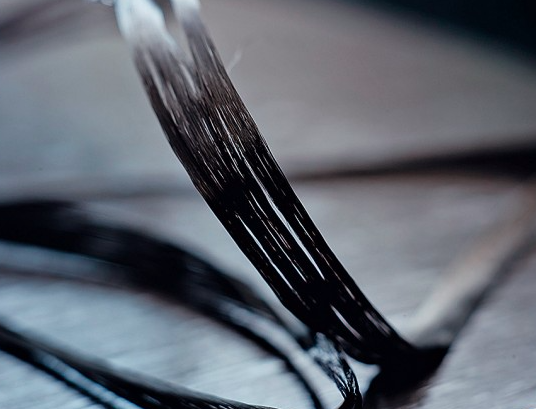
These individual filaments are then bunched together to form a thin ribbon, or tow. And much like how a thread becomes a string, which then becomes a rope, carbon filaments work together to form something extremely lightweight and strong.
The number of filaments used per tow is a common metric in the cycling world, and is typically measured in the thousands. For example, a carbon tow with 3,000 filaments is typically given the designation of 3K; 6,000 filaments is 6K, and so on.
Actual strength and stiffness of the individual fibres can vary, too, with the stiffness being described as modulus. Higher modulus is achieved by increasingly refining the filament production process, stripping each filament further and further down, and progressively making it smoother and thinner. While more resource-intensive, these thinner filaments also sit more tightly together in a tow, and increase the stiffness of the tow overall. However, higher modulus is associated with increased brittleness, since each filament is thinner.
Modulus is a term often thrown around in marketing materials, and the key thing to know is that there is no standardization in how modulus is described, at least within the bicycle industry: one brand’s claimed “ultra high modulus” material may actually be more flexible than another brand’s “low modulus” carbon. More importantly, it’s how these varying stiffnesses of carbon are applied that matter most, and the best frames will always use a mix of moduli.

From carbon to composite
Tows of carbon fibre are hardly useful by themselves, as at this stage they’re merely dry, pliable bits of material. It’s here that one of the more misleading elements is revealed. All carbon fibre material used in cycling must be bonded in some regard, usually with a two-part epoxy resin. Adding resin to carbon fibre turns the material into a composite, or to use the more specific engineering term, carbon fibre reinforced polymer (CFRP). As the material is also usually layered, the composite is often referred to as a laminate, too.
Where carbon fibre is extremely strong and light, resin is comparatively heavy and weak. The goal with such a composite is to use as little resin as possible in order to hold the carbon fibre in place. It’s here that higher modulus carbon really shines, since the smaller gaps between filaments require less resin to fill.
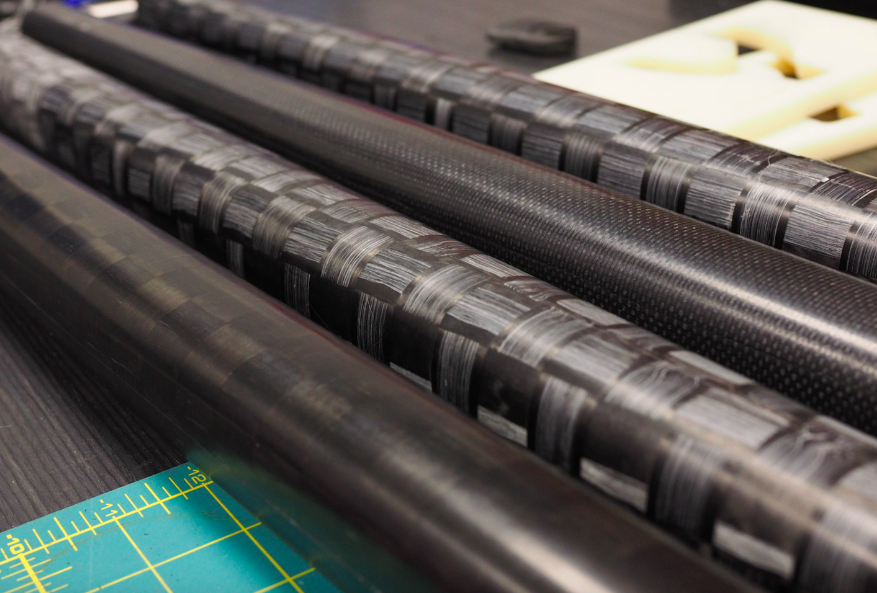
Weave the fibres together with resin to make pre-preg sheets. The mix will be around 35 per cent resin to 65 per cent fibres.
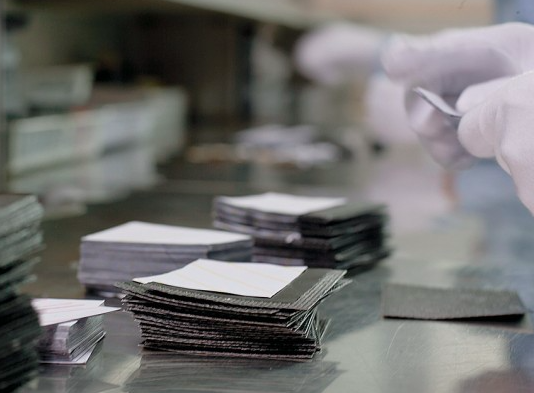
Processes of manufacturing
An EPS (expanded polystyrene) internal mould is produced and covered with latex. Apart from an airway (at the top of the seat tube here) the bladder is sealed.

Wrap the pre-preg pieces around the EPS preform. Five or six overlapping layers are used, at varying angles to lend strength and stiffness. Hundreds of pieces make a frame.
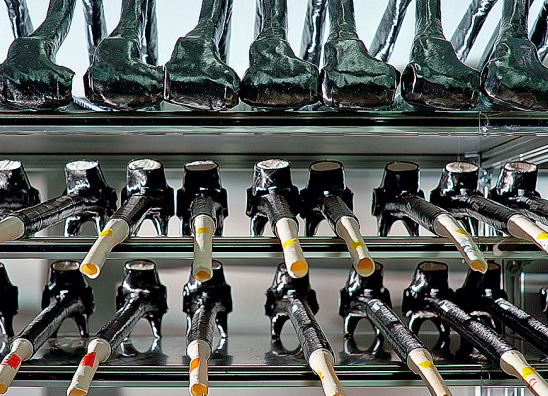
With all the layers in place, the preform part is laid into a steel mould, heated to 130°C, inflated to 12bar and cured for 40 minutes.
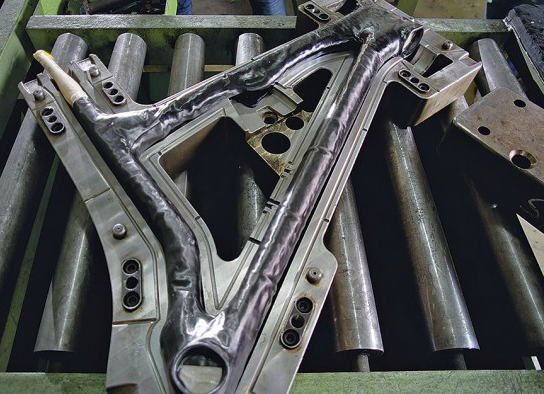
The part is removed and the EPS/latex is pulled from the carbon. This leaves a smooth internal surface with no ripples. Areas of critical tolerance are machined.
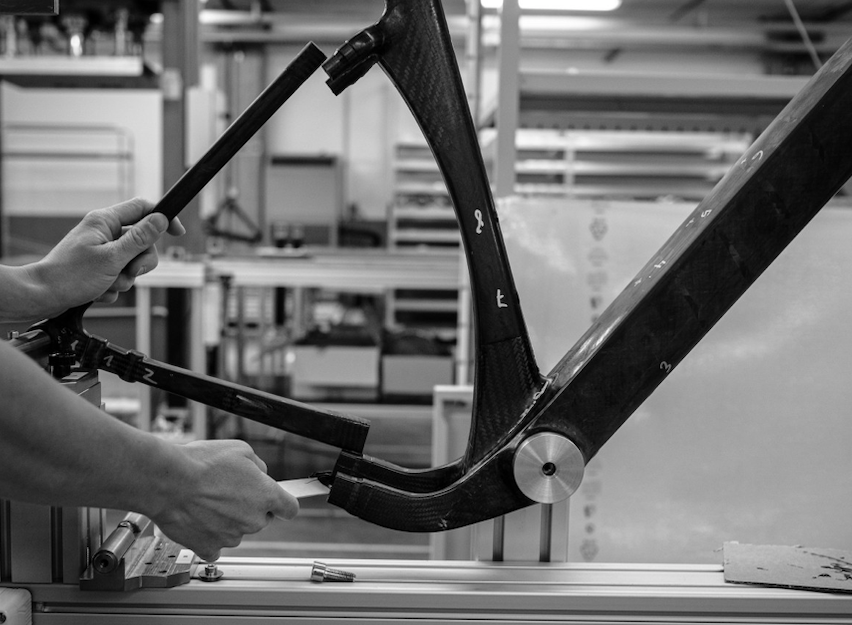
The rear fork is bonded to the front triangle. These are wrapped in additional strips of carbon fiber for extra structural support and a seamless finish, and all assembly takes place in jigs to ensure perfect alignment.
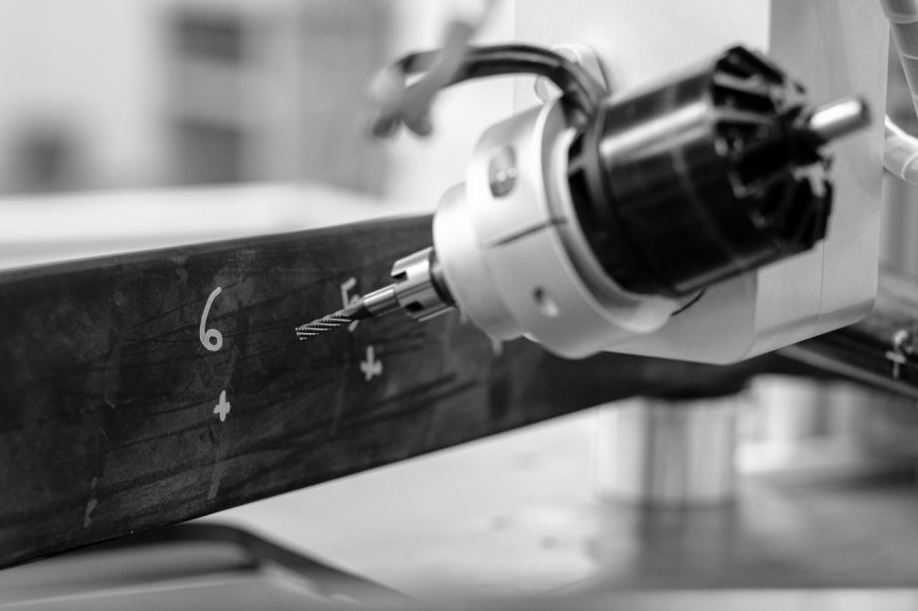
At this same point, drillings for water bottle cages, the front derailleur mount, and cable management systems take place. With a mixture of rivnuts (threaded rivets), rivets, and epoxy typically used to permanently affix the items, these are carefully added to areas that have already been reinforced in preparation during the lay-up stage.
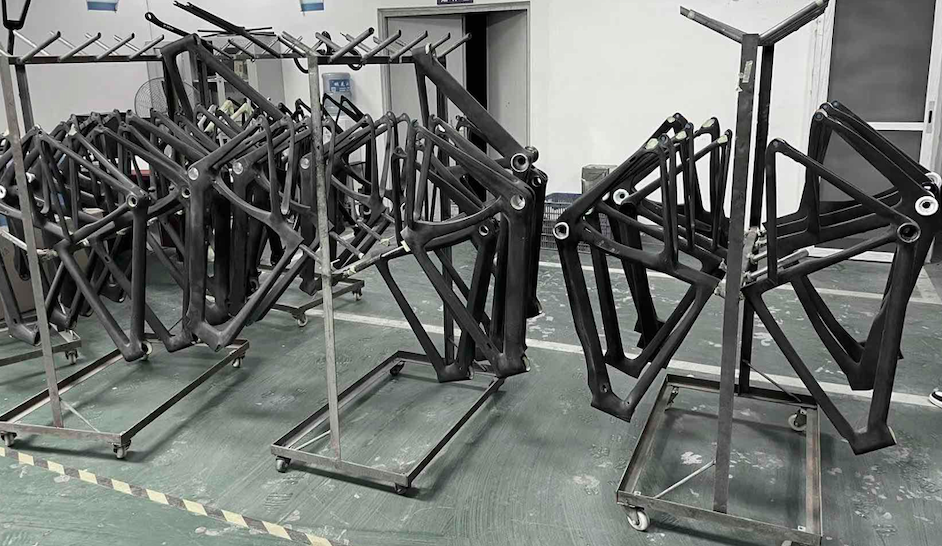
Quality Control Checks Begin
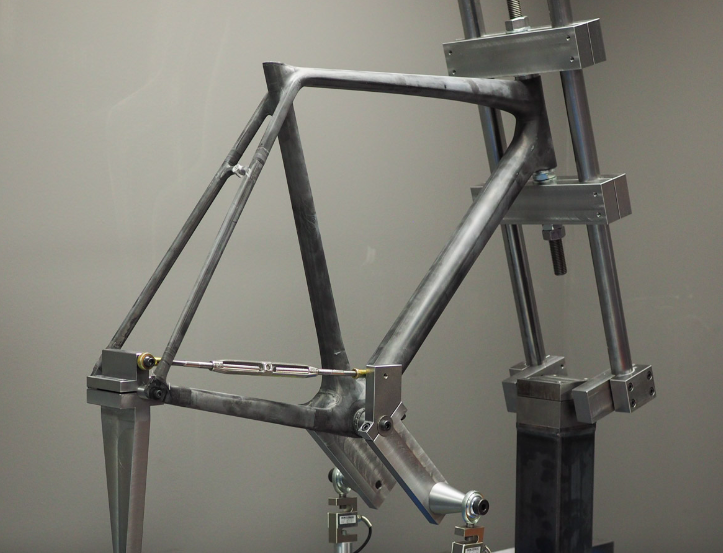
After applying decals and spraying paint, the frame is complete.